Water Savings with Artificial Turf in Denver
By Elite Turf Refresh Team
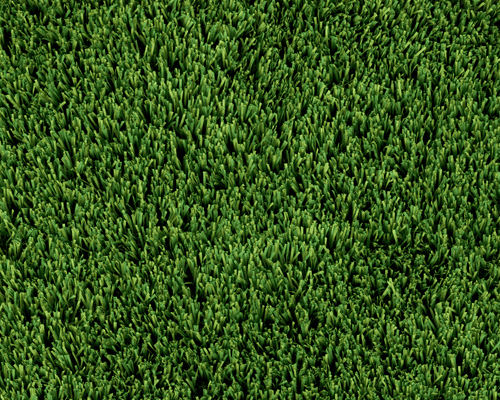
Water along Colorado's Front Range is increasingly scarce and expensive. Denver Water and surrounding utilities impose tighter summer restrictions each year, and outdoor irrigation rates keep climbing. For many Denver-area homeowners, artificial turf is the most impactful single step they can take to reduce water consumption. Here are the actual numbers.
How Much Water Does a Denver Lawn Actually Use?
According to Denver Water and Colorado State University Extension data, a typical Front Range natural grass lawn requires approximately 20 to 25 gallons of water per square foot during the growing season (roughly May through September). For a 1,000-square-foot lawn — a common size for Denver-area front or back yards — that is 20,000 to 25,000 gallons per season. For a 2,000-square-foot lawn, you are looking at 40,000 to 50,000 gallons annually just to keep grass alive and green.
The Artificial Turf Difference: Zero Irrigation
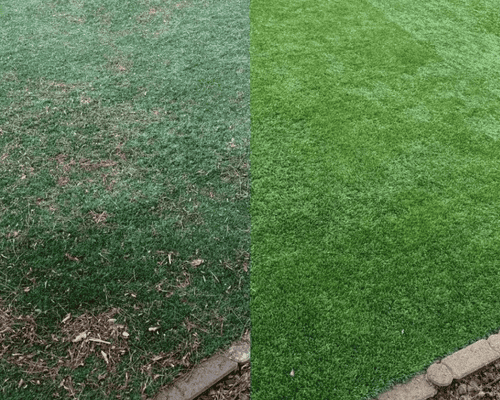
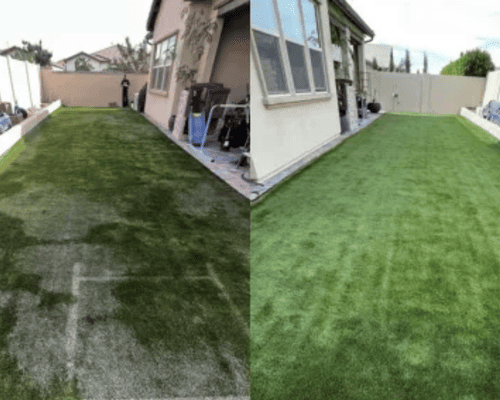
Artificial turf requires no irrigation. Zero. Over a typical turf lifespan of 12 to 15 years in Colorado (longer with professional maintenance), a 1,000-square-foot installation saves roughly 240,000 to 375,000 gallons of water. Scale that to a larger yard and the numbers are staggering. A 2,500-square-foot turf installation saves enough water over its lifetime to fill a residential swimming pool dozens of times over.
What That Means for Your Water Bill
Denver Water's tiered rate structure charges progressively more for higher usage, and outdoor irrigation typically pushes homeowners into the highest tiers during summer months. At current rates, irrigating a 1,000-square-foot natural lawn costs approximately $200 to $400 per growing season — and rates have increased every year for the past decade. Over 12 to 15 years, water cost savings alone can offset a significant portion of the original turf installation cost, especially as rates continue rising.
Water Restrictions and the Reliability Factor
Denver Water and suburban utilities including Castle Rock Water, Parker Water, and Douglas County utilities increasingly implement summer watering restrictions — sometimes limiting irrigation to specific days and hours, sometimes imposing outright bans during drought conditions. Natural grass suffers visibly under restrictions, often requiring expensive overseeding or resodding afterward. Artificial turf looks identical whether restrictions are in effect or not. That reliability has real value in Denver metro communities where curb appeal matters.
The Environmental Context
Colorado's water supply depends primarily on mountain snowpack, which has become less predictable with changing climate patterns. The Colorado River system — which supplies a portion of Front Range water — faces unprecedented pressure. Reducing residential irrigation is one of the most impactful conservation actions an individual homeowner can take. It is a tangible contribution that makes a measurable difference.
What Artificial Turf Does Still Need
Artificial turf is not zero-maintenance, and it is not zero-water. Occasional rinsing to cool the surface on hot days, diluting pet urine spots, and post-service rinsing all use small amounts of water. But we are talking about gallons per month, not thousands of gallons per season. The water footprint of maintained artificial turf is roughly 95% to 98% less than an equivalent natural lawn.
The Full Cost Picture
Water savings are compelling on their own, but they are part of a larger equation. Artificial turf also eliminates mowing (gas, equipment, time), fertilizing, aerating, overseeding, and weed control — costs that add up to $1,000 or more annually for professional natural lawn care. Factor in water savings, maintenance elimination, and year-round curb appeal, and the total cost of ownership for well-maintained artificial turf often undercuts natural grass over a 10-year horizon.
Protecting Your Investment with Maintenance
Professional pet hair and debris removal and regular blooming and de-compacting extend your turf's lifespan — which extends the water savings timeline. Every additional year your turf lasts is another 20,000+ gallons saved. Maintenance is a water conservation strategy in its own right.
Ready to maximize the life and water savings of your artificial turf?
Elite Turf Refresh serves 40+ communities across the Denver metro area. Get your free quote or call (720) 450-1653 today.