How Colorado Altitude and UV Affect Artificial Turf
By Elite Turf Refresh Team
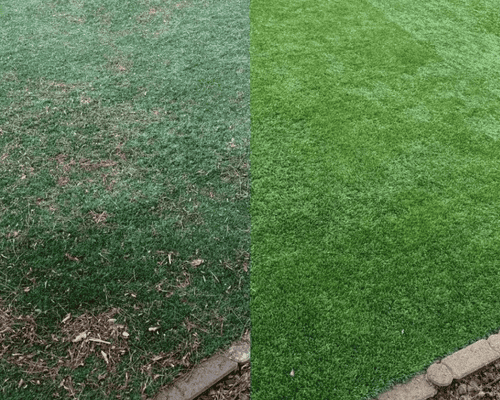
Living along Colorado's Front Range means roughly 25% more ultraviolet radiation hitting your artificial turf compared to sea-level locations. That is not a marketing scare tactic — it is atmospheric physics. Less atmosphere above you means less UV filtration. And most turf manufacturer maintenance guides are written for average conditions, not mile-high conditions. Here is what Colorado altitude actually does to your turf and how to manage it.
What UV Does to Artificial Turf Fibers
Ultraviolet radiation breaks down the polymer chains in artificial turf fibers at the molecular level. This degradation shows up gradually as color fading (green becoming yellowish or gray), fiber stiffening (soft fibers becoming brittle), and reduced resilience (fibers that once bounced back after foot traffic staying matted). The process is called photodegradation, and it happens to every artificial turf surface — but it happens measurably faster at altitude.
The Accelerated Aging Reality
Artificial turf rated for 15 to 20 years at sea level may show aging signs 20% to 30% sooner along the Front Range. This does not mean your turf will fail at year 10 — quality turf with UV-stabilized fibers still performs well for over a decade in Colorado. But it does mean maintenance intervals designed for Portland or Atlanta are too infrequent for Denver, Highlands Ranch, or Castle Rock. Adjusting your maintenance schedule to Colorado's reality is the single most impactful thing you can do.
Heat Buildup at Altitude
Colorado's intense high-altitude sun heats artificial turf surfaces significantly above ambient air temperature. On a 90-degree July afternoon, an unmaintained dark turf surface can reach temperatures that are uncomfortable to walk on barefoot. Heat also accelerates fiber degradation — warm fibers are softer and more susceptible to compression and permanent deformation. Professional pet hair and debris removal keeps fibers clean and upright, which improves heat reflection and reduces surface temperature compared to dirty, matted turf.
Infill Drying: A Colorado-Specific Problem
Colorado's average relative humidity hovers around 30% to 40% — among the lowest in the country. Low humidity causes infill to dry out faster than in humid climates. Dry infill is dustier, creates more airborne particulates when walked on, compacts differently than moist infill, and may not support fibers as effectively. Regular blooming and de-compacting addresses the compaction patterns specific to dry-climate infill, keeping the infill layer loose and supportive.
South-Facing Turf: The Highest-Risk Zone
Not all areas of your turf age equally. South-facing sections receive the most direct sun exposure throughout the day and show wear first — often years before north-facing or shaded areas of the same installation. West-facing turf takes the second-hardest hit from intense afternoon sun. If you have limited maintenance budget, prioritize these high-exposure zones for professional service.
A Colorado-Adapted Maintenance Schedule
We recommend a more frequent maintenance cycle for Colorado turf than what generic guides suggest:
- Unshaded, south-facing turf: Professional service every 6 months
- Partially shaded turf: Annual professional service
- Heavily shaded turf: Annual service (focus shifts from UV to organic buildup)
- Putting greens: Every 6 months regardless of exposure — putting green refresh maintains both appearance and playability
This adjusted schedule accounts for the altitude factor that national maintenance guides miss. The small additional investment in frequency pays back in extended turf life and better year-round appearance.
Choosing UV-Resistant Turf for Colorado
If you are selecting new turf or replacing an existing installation, ask specifically about UV stabilization ratings and whether they have been tested at altitude. Not all UV stabilizers perform equally — some are designed for the moderate UV levels at sea level and degrade faster at elevation. Quality matters more in Colorado than in most markets, and it is worth investing in turf rated for high-UV environments.
Ready to protect your turf from Colorado's intense UV?
Elite Turf Refresh serves 40+ communities across the Denver metro area. Get your free quote or call (720) 450-1653 today.