Colorado Weather and Artificial Turf: A Homeowner Guide
By Elite Turf Refresh Team
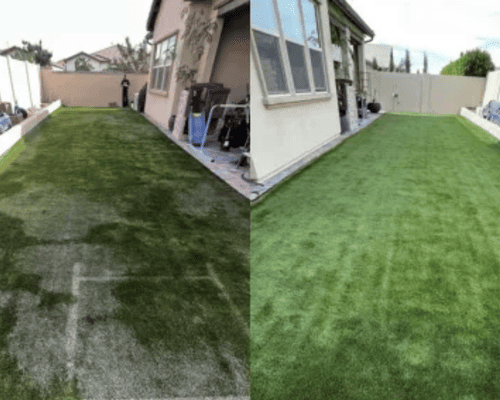
Colorado weather is famously extreme. We can see 60-degree temperature swings in 24 hours, golf-ball hail in June, and a foot of snow in May followed by 70-degree sunshine the next day. This volatility tests artificial turf in ways that homeowners in milder climates never face — and it means generic turf care advice often falls short along the Front Range.
Temperature Extremes and Turf Expansion
Wide temperature swings cause artificial turf to expand and contract repeatedly. Turf installed during a warm spell may tighten noticeably in winter; turf installed in cold weather may develop ripples or slight buckling during summer heat. Over years of cycling, this thermal stress affects seams, edges, and overall surface flatness. Regular professional inspection catches expansion-related issues before they become visible problems or trip hazards.
Freeze-Thaw Cycles: Colorado's Silent Turf Killer
Denver and the surrounding Denver metro communities experience dozens of freeze-thaw cycles annually, especially from October through April. Here is what happens: moisture in compacted infill freezes, expands by roughly 9%, then thaws and settles into new positions. Multiply that by 30 or 40 cycles per winter and you get gradually shifting surfaces, uneven spots, and degraded drainage. Professional blooming and de-compacting in spring and fall counteracts this cumulative damage.
Hail: Colorado's Signature Weather Event
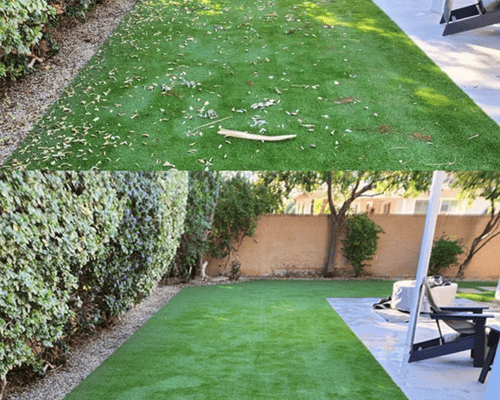
Colorado ranks among the top states for hail frequency and severity. The good news: artificial turf handles hail far better than natural grass, garden beds, or most other landscaping materials. Turf fibers are resilient and recover from impact quickly. However, large hail can temporarily indent infill (which self-corrects with brushing), and the aftermath — leaf fragments, stripped bark, and debris — needs prompt removal before it decomposes into the turf surface.
Chinook Winds and Fine Grit Deposits
Front Range chinook winds bring warm, dry air screaming down from the mountains at 50 to 100+ mph. Beyond the obvious debris they carry, chinooks deposit a fine layer of mineral grit across every outdoor surface, including your turf. This grit is nearly invisible but settles into infill where it acts as an abrasive against fibers. Wind events in winter and early spring are especially impactful. Professional pet hair and debris removal equipment extracts this embedded grit that leaf blowers and hoses cannot reach.
Low Humidity and Static Buildup
Colorado's average relative humidity is among the lowest in the continental United States. Dry conditions mean dustier infill that migrates and compacts differently than in humid climates. You may also notice increased static in turf fibers during dry winter months — fibers cling together rather than standing independently. Regular brushing and professional infill conditioning helps, and some infill treatments specifically address dry-climate static issues.
300 Days of Sunshine: A Double-Edged Benefit
Colorado's famous sunshine is great for outdoor living but relentless on artificial surfaces. South- and west-facing turf areas receive the most intense exposure and typically show wear first. The combination of high UV at altitude and 300+ sunny days per year means Colorado turf accumulates more total UV exposure annually than turf in many supposedly hotter climates. Strategic maintenance prioritizes these high-exposure zones with more frequent brushing and infill conditioning.
Why Colorado Turf Needs Colorado-Specific Care
Generic turf maintenance advice written for moderate, humid climates does not account for our altitude, UV intensity, temperature extremes, low humidity, wind patterns, or freeze-thaw frequency. Colorado turf needs maintenance calibrated to Colorado conditions. That is what we specialize in — every service visit accounts for the specific challenges your turf faces in this unique climate.
Ready to give your turf the Colorado-specific care it needs?
Elite Turf Refresh serves 40+ communities across the Denver metro area. Get your free quote or call (720) 450-1653 today.