HOA and Artificial Turf in Denver: Rules and Tips
By Elite Turf Refresh Team
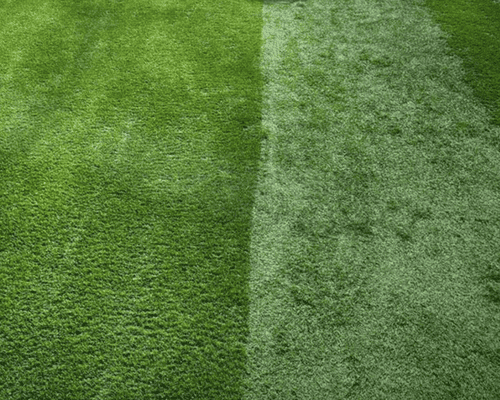
Homeowner associations and artificial turf have had a complicated history in Colorado. If you are considering installing artificial turf — or already have it and want to avoid HOA trouble — here is the current landscape for Denver metro HOA communities and what you need to know to stay in good standing.
Colorado Law: HOAs Cannot Ban Drought-Resistant Landscaping
Colorado has passed legislation (HB 05-1103 and subsequent updates) that restricts HOAs from prohibiting drought-resistant landscaping alternatives, including artificial turf. This means your HOA cannot outright ban artificial turf as a landscaping option. However — and this is the critical nuance — most HOAs retain the right to regulate the quality, appearance, and maintenance standards of artificial turf installations. They cannot say "no turf" but they can say "it must meet these standards."
Common HOA Requirements for Artificial Turf
Based on our experience working across 40+ Denver metro communities, most HOAs that have established artificial turf policies require some or all of the following:
- Minimum quality grade: Realistic appearance, appropriate pile height, natural color
- Professional installation: Many HOAs require proof of professional installation
- Maintained appearance: Turf must remain in "good condition" — no matting, discoloration, or visible neglect
- Architectural review: Pre-installation approval through the HOA design review committee
- Visible area limitations: Some HOAs restrict turf to backyards only or require minimum natural landscaping in front yards
The Maintenance Compliance Factor
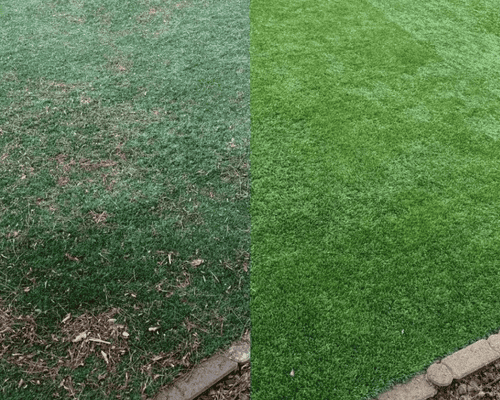
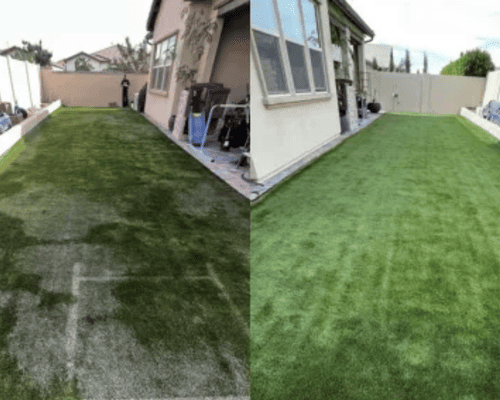
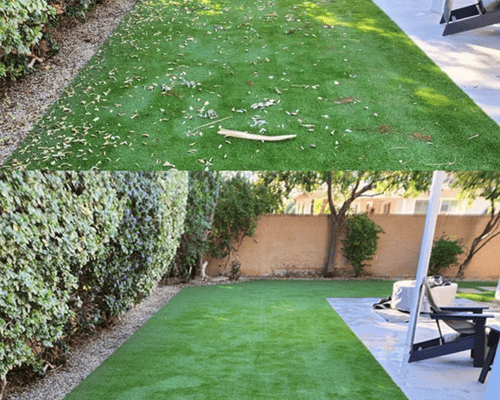
This is where professional turf care becomes directly relevant to HOA compliance. The "maintained appearance" clause in most HOA turf policies is broadly written and subjectively enforced. Turf that looks matted, faded, weedy at the edges, or generally neglected can trigger HOA violation notices just as easily as an unkempt natural lawn. Regular professional pet hair and debris removal and periodic blooming and de-compacting keeps your turf looking good enough that it never triggers complaints or committee attention.
Preventing HOA Issues Before They Start
The homeowners who never have HOA problems with their artificial turf follow a simple approach: maintain it visibly well. That means:
- Professional cleaning at least annually (more often for pet households)
- Keeping edges along hardscape and borders clean and secure
- Addressing matted or discolored areas promptly rather than ignoring them
- Removing debris, leaves, and pet waste regularly between professional visits
Think of it as preventative compliance. It is far easier and cheaper to maintain standards than to respond to a violation notice after your turf has been neglected for two years.
Submitting an HOA Modification Request
If your HOA does not yet have clear artificial turf guidelines, you will likely need to submit a landscaping modification request before installation. Strengthen your case by including: the specific turf product and its specifications, proof of professional installation, a written maintenance plan showing how you will keep it in good condition, and reference to Colorado law supporting drought-resistant landscaping. Having a professional maintenance agreement in place before installation shows the review committee you are serious about upkeep.
Douglas County and South Denver HOA Trends
In Douglas County — including Highlands Ranch, Castle Pines, Parker, and Castle Rock — HOA attitudes toward artificial turf have shifted dramatically in favor of approval over the past five years. Widespread adoption in newer communities like Sterling Ranch and Terrain has normalized turf as a standard landscaping choice. Most Douglas County HOAs now have established approval pathways, and approval rates are high for quality installations with maintenance plans.
If You Receive an HOA Violation Notice
If you do receive a notice about your turf's condition, do not ignore it. Schedule professional cleaning and restoration promptly, document the improvement with before-and-after photos, and respond to the HOA with evidence that the issue has been addressed plus a plan for ongoing maintenance. In our experience, HOAs are reasonable when homeowners demonstrate they are taking care of the situation.
Ready to keep your turf HOA-compliant year-round?
Elite Turf Refresh serves 40+ communities across the Denver metro area. Get your free quote or call (720) 450-1653 today.