Turf Care at 6,200 Feet: Castle Rock Guide
By Elite Turf Refresh Team
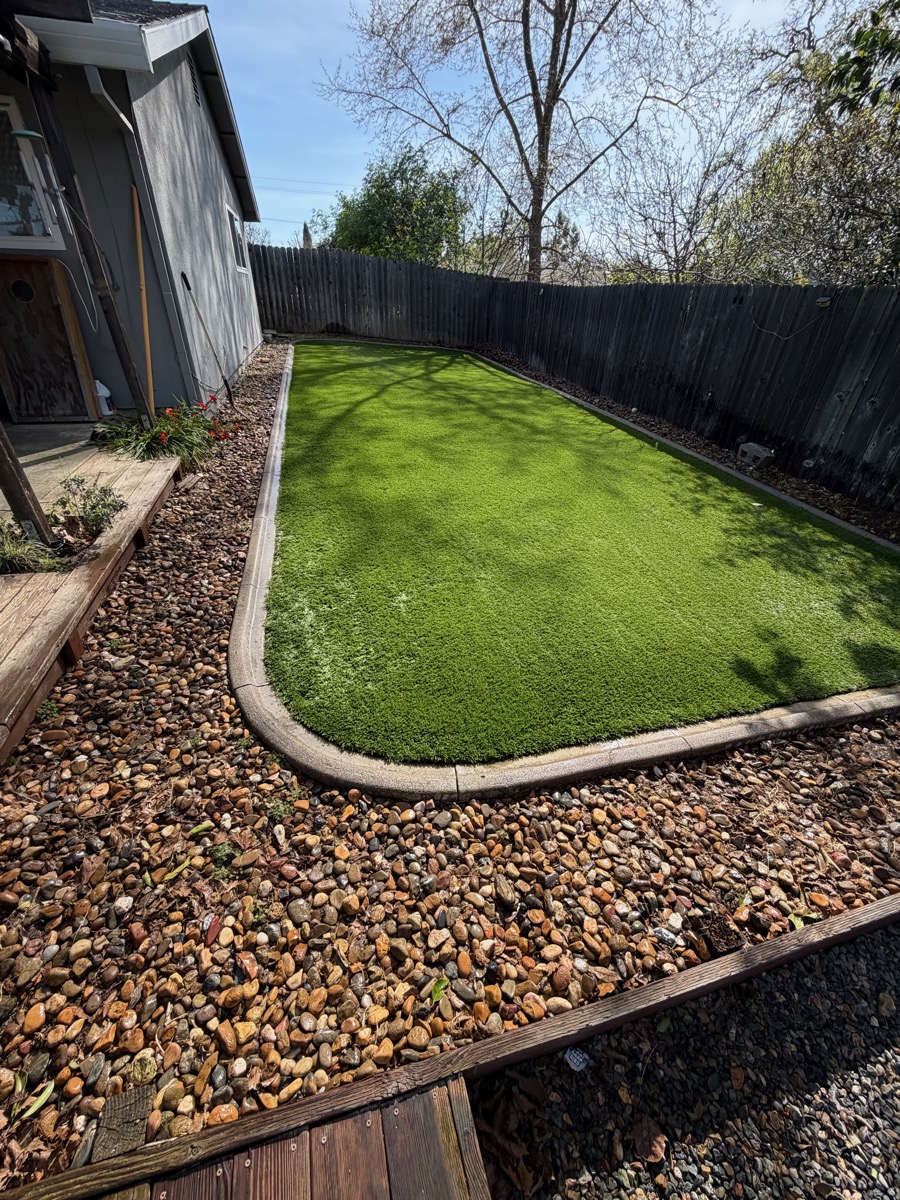
Castle Rock: High Altitude, High Expectations
Castle Rock sits at approximately 6,200 feet elevation, making it one of the highest-altitude communities in our Denver metro service area. That elevation difference — roughly 900 feet above Denver and 300 feet above Castle Pines — is not just a number. It translates to measurably different conditions for artificial turf, conditions that many homeowners do not fully appreciate until maintenance issues develop earlier or differently than expected.
The town has grown rapidly, from around 20,000 residents in 2000 to more than 75,000 today. Developments like The Meadows, Crystal Valley, Plum Creek, and Castlewood Ranch have brought thousands of new homes with modern landscape designs that frequently include artificial turf. Castle Rock homeowners chose this community for its small-town character, mountain views, and outdoor lifestyle — and artificial turf fits that lifestyle perfectly when maintained properly for the altitude.
How 6,200 Feet Changes the Game
Every 1,000 feet of elevation gain increases UV radiation exposure by approximately 6 to 8 percent. At Castle Rock's 6,200 feet, turf surfaces receive roughly 35 to 40 percent more UV radiation than identical installations at sea level. This is the single most significant factor affecting turf longevity and maintenance needs in Castle Rock.
UV radiation degrades artificial turf fibers by breaking down the polymer chains that give them their structure, color, and flexibility. The effect is gradual but cumulative — fibers become stiffer, more brittle, and less able to recover from foot traffic. Color fading follows, starting subtly and progressing until the turf looks noticeably aged even if it is only a few years old.
UV also affects infill materials. Crumb rubber oxidizes faster at altitude, becoming harder and less cushioning. Silica sand-based infills are more UV-stable but can develop surface coatings from pollen and organic material that reduce drainage. Regular professional Blooming & De-Compacting addresses both fiber and infill degradation, lifting compressed fibers back to position and refreshing the infill layer.
Dry Air and Its Hidden Impact
Castle Rock's average relative humidity is lower than Denver's, particularly during winter months when the air becomes exceptionally dry. This low humidity affects artificial turf in ways that are not immediately obvious:
- Static electricity: Dry conditions increase static charge on turf fibers, which attracts and holds fine dust particles. This gives turf a dull, dusty appearance that brushing alone does not fully resolve.
- Infill moisture loss: Infill that loses moisture becomes lighter and more prone to wind displacement. Castle Rock's exposed terrain makes this particularly relevant — afternoon winds can redistribute dry infill from exposed areas, creating thin spots and thick spots that affect surface consistency.
- Backing flexibility: Turf backing materials become less pliable in very dry conditions. This can accelerate edge lifting along hardscape borders and stress seam joints, especially during winter when dry air combines with freezing temperatures.
Temperature Extremes at Elevation
Castle Rock experiences wider daily temperature swings than lower-elevation Denver suburbs. Summer days can reach into the mid-90s while overnight temperatures drop into the 50s. Winter brings single-digit lows with afternoon warming into the 40s or 50s on sunny days. These rapid swings create repeated expansion-contraction cycles in turf materials that stress connections and joints over time.
The freeze-thaw cycle is particularly aggressive in Castle Rock. Water that works into seam joints or beneath edges expands when it freezes, creating microscopic gaps that grow with each cycle. Spring is the critical inspection window — check seams, edges, and transitions after the last hard freeze and address any separation before it progresses through the summer use season.
Castle Rock-Specific Maintenance Schedule
Given Castle Rock's elevation-amplified conditions, we recommend a slightly more proactive maintenance schedule than lower-elevation communities:
- Early Spring (March-April): Professional assessment and service after winter. Inspect seams, redistribute infill, power brush fibers back to position. This is the most important service window for Castle Rock turf.
- Mid-Summer (July): Address UV-driven compaction and static dust buildup. Our Pet Hair & Debris Removal service clears accumulated fine debris that dulls the surface. Evening rinsing during heat waves cools the surface and adds temporary moisture to dry infill.
- Early Fall (September-October): Pre-winter service to address summer wear and prepare for freeze-thaw season. Clean organic debris from fall leaf drop before it breaks down and stains fibers.
The Long View: Protecting Your Investment at Altitude
Artificial turf at 6,200 feet faces accelerated aging compared to identical installations at lower elevations. This is not a defect or a reason to avoid turf — it is physics. The homeowners who get the best value from their Castle Rock turf installations are the ones who account for altitude in their maintenance approach.
Professional service every 4 to 6 months, combined with regular DIY brushing and rinsing between visits, keeps Castle Rock turf performing and looking its best. This proactive approach costs significantly less over the life of the installation than waiting for visible degradation and then paying for intensive restoration. For putting green owners in Castle Rock, the same principle applies doubly — altitude affects performance faster than appearance, so regular tuning maintains playability long before the green looks like it needs help.
Ready to protect your Castle Rock turf from altitude wear?
Elite Turf Refresh serves 40+ communities across the Denver metro area. Get your free quote or call (720) 450-1653 today.