Protecting Artificial Turf from Colorado Summer UV
By Elite Turf Refresh Team
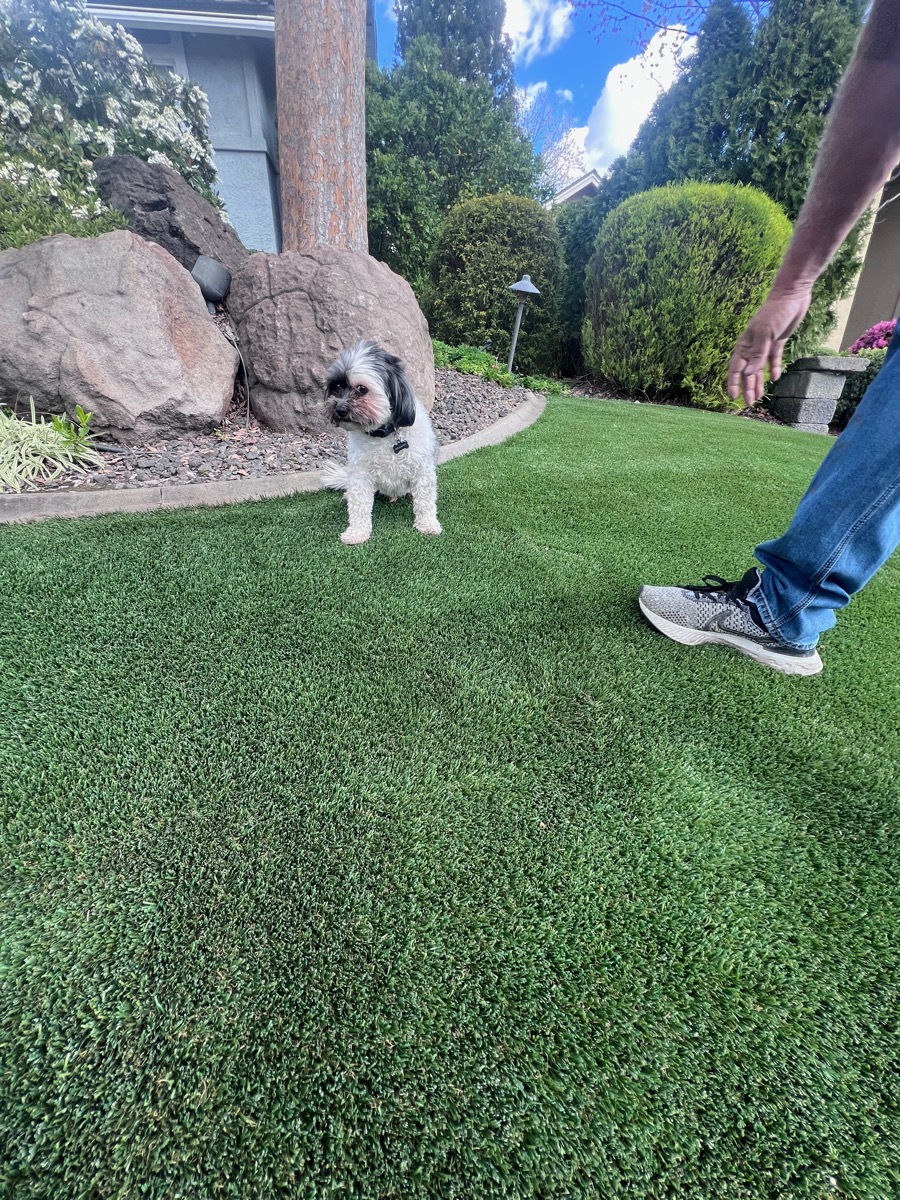
Colorado summers combine high altitude, low humidity, intense sunshine, and afternoon thunderstorms into some of the most demanding conditions artificial turf faces anywhere in the country. At Denver's mile-high elevation, UV radiation is roughly 25 percent stronger than at sea level. Understanding how this affects your turf — and what you can do about it — protects your investment for years to come.
How Altitude UV Affects Artificial Turf
Colorado's elevated UV intensity accelerates every aspect of turf aging:
- Fiber degradation: UV breaks down polyethylene and polypropylene fibers at a molecular level, making them more brittle and prone to splitting
- Color fading: Pigments in turf fibers lose vibrancy faster under intense UV, especially on south-facing installations
- Surface temperature: Turf absorbs UV energy and converts it to heat — surfaces can reach 150 degrees or higher on peak summer afternoons
- Infill drying: UV and heat dry out infill aggressively, changing its performance characteristics and increasing dust
Quality turf includes UV stabilizers in the manufacturing process, but even stabilized fibers degrade over time. The rate depends on your maintenance habits.
Managing Surface Temperature in Denver Summers
Surface heat is the most immediate summer concern for families using artificial turf. On a 90-degree Denver afternoon, turf surface temperatures can be significantly hotter than the surrounding air. Practical strategies to manage this:
- Rinse before use: A quick hose-down reduces surface temperature by 20 to 40 degrees for 30 to 60 minutes — enough time for an evening play session
- Time your use: Morning before 10 AM and evening after 5 PM are the most comfortable windows for bare feet and pets
- Shade structures: Permanent shade sails or pergolas over high-use areas provide lasting relief and also slow UV fiber degradation
- Light-colored infill: If you are installing or replacing infill, lighter colors absorb less heat than dark alternatives
Summer Fiber Care to Slow UV Damage
Regular brushing during summer is one of the most effective things you can do to extend turf life. Brushing keeps fibers upright, distributes wear more evenly, and prevents matting that accelerates degradation. Brush in the cooler morning or evening — fibers are more flexible and less prone to damage when they are not at peak temperature.
Use a stiff-bristled push broom or turf rake designed for artificial turf. Wire bristles and metal rakes can damage fibers, especially when they are heat-softened in summer.
Infill Maintenance Through the Hot Months
Summer heat dries infill more aggressively than any other season. Dry infill compacts differently, creates more airborne dust during use, and may not support fibers as effectively — contributing to premature matting. Occasional light watering during extended hot, dry periods helps maintain infill condition.
If infill levels appear low or uneven after a summer of heavy use, blooming and de-compacting service redistributes infill and restores proper fiber support before fall.
Protect Your Turf from Furniture and Objects
Move furniture, planters, grills, and other objects on your turf periodically throughout summer. Static objects on hot turf create permanent compression impressions that can be very difficult to remove. Use furniture pads designed for artificial turf and rotate placement every few weeks.
This is especially important in Colorado where intense sun heats objects that then transfer even more concentrated heat to the turf beneath them.
When Professional Summer Maintenance Helps
If your turf shows signs of summer stress — noticeable fading, persistent matting despite brushing, or a crunchy texture when walked on — professional service can help. Power brushing and fiber treatment restore condition, and our team can assess whether UV damage has reached a point requiring more intensive restoration work.
Homeowners across the Denver metro area typically benefit from a mid-summer check if their turf is more than three years old or gets heavy daily use.
Summer UV Damage Is Cumulative
What happens to your turf this summer affects how it looks and performs next summer and every summer after. UV damage compounds — each season of neglect makes the next season's damage worse. Regular maintenance slows the cumulative effect and can add years to your turf's useful life.
Ready to protect your turf from Colorado's intense summer conditions?
Elite Turf Refresh serves 40+ communities across the Denver metro area. Get your free quote or call (720) 450-1653 today.