Spring Artificial Turf Prep: Colorado Homeowner Guide
By Elite Turf Refresh Team
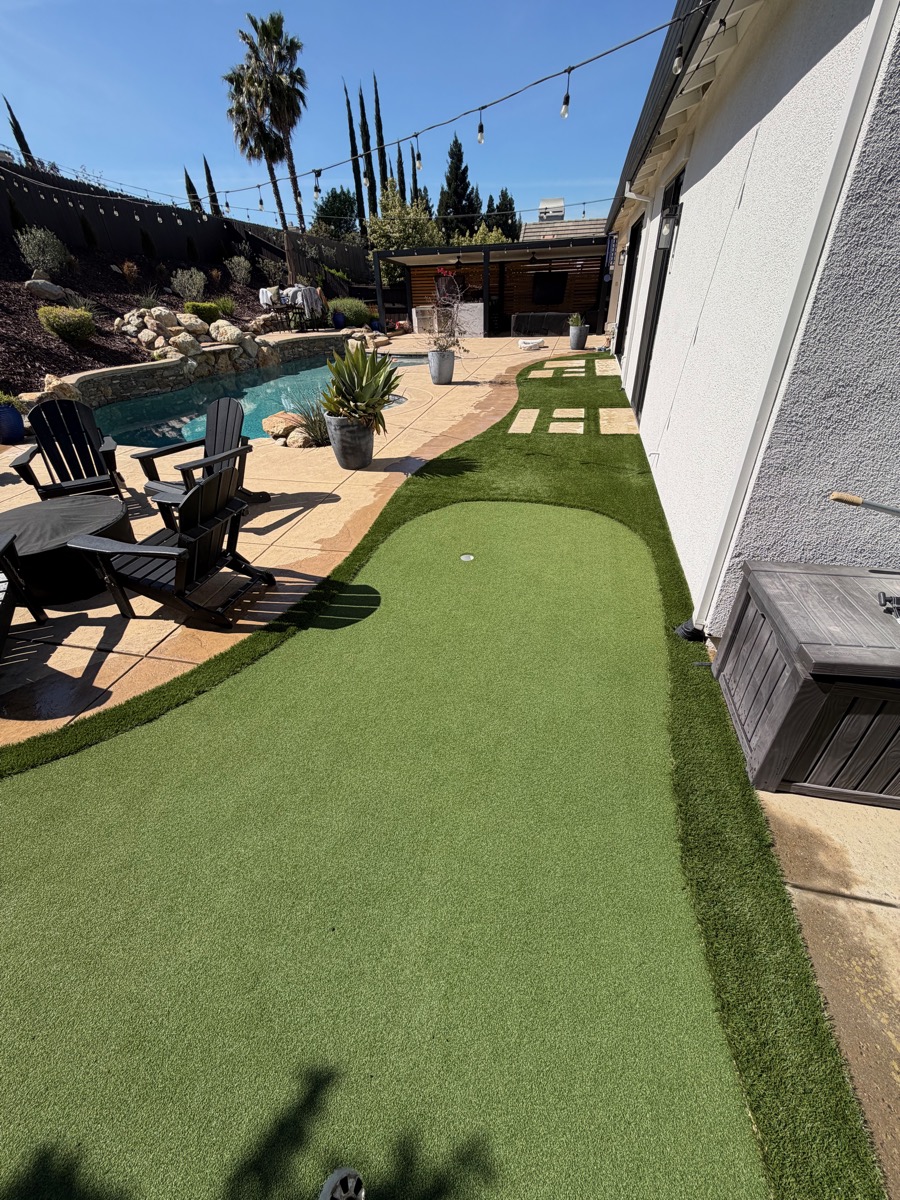
Spring along Colorado's Front Range is the single most important maintenance window for your artificial turf. Winter leaves behind compacted infill, embedded debris, stressed seams, and — if you have pets — odor that was masked by cold temperatures but is about to announce itself as soon as temperatures climb. Here is a thorough spring prep approach that addresses everything.
Assess Winter Damage Before Anything Else
Before you start cleaning, walk your entire turf area carefully and look for these common post-winter issues:
- Seam separation: Colorado's freeze-thaw cycles cause turf to contract and expand repeatedly, stressing seams. Look for any visible gaps or lifting along seam lines
- Edge lifting: Check perimeter edges, especially where turf meets hardscape. Winter ground movement can shift nailing strips
- Infill displacement: Snowmelt and wind often redistribute infill unevenly. Low spots create both drainage problems and visible depressions
- Drainage issues: After spring rain or snowmelt, note any areas where water pools for more than a few minutes — compacted infill is the usual cause
Deep Debris Removal After Snowmelt
Winter buries debris you do not see until the snow melts. Leaves trapped under snow break down into organic matter that stains fibers and feeds bacterial growth. Wind-deposited grit — common along the Front Range from dry winter winds — works into the infill and accelerates compaction.
A leaf blower handles surface debris, but embedded material in the infill layer requires professional pet hair and debris removal to extract thoroughly. This is one of the highest-impact services you can schedule in spring.
Spring Drainage Check
Proper drainage is critical heading into Colorado's summer thunderstorm season. After a spring rain, walk your turf and mark any areas where water pools or drains slowly. These spots have compacted infill blocking drainage paths — a problem that only gets worse under summer use.
Blooming and de-compacting service opens up drainage pathways and restores proper water flow through the infill and base layers. Addressing this in spring prevents much bigger problems in July and August.
Fiber Recovery After Colorado Winters
Colorado's dry, cold winter air stiffens turf fibers, and UV exposure on sunny winter days contributes to gradual degradation. Spring brushing with a stiff-bristled push broom helps lift flattened fibers. Brush against the grain — the direction opposite to the natural lean — for the best results.
If fibers remain matted or feel crunchy after brushing, professional power brushing reaches deeper into the turf structure and produces dramatically better results than manual brushing alone.
The Spring Pet Odor Preview
Pet owners, take note: that first warm 70-degree day in March or April is going to reveal exactly how much odor built up over winter. Cold temperatures suppress bacterial activity, so winter masks the problem. Spring warmth reactivates everything at once.
Scheduling a professional disinfect and deodorize treatment in early spring — before summer heat amplifies odors further — is far more effective than waiting until June when the problem is at full strength.
Book Spring Service Early
Spring is our busiest service window. Homeowners across Denver metro communities from Parker to Highlands Ranch to Castle Rock all want spring service in the same narrow window. Book early — March or early April — to get your preferred timing before the summer rush begins.
The Spring Maintenance Payoff
Turf that gets proper spring attention looks better and performs better through the entire warm season. It is the single most impactful maintenance event of the year for Colorado artificial turf, and the investment in a thorough spring service prevents far more expensive problems later.
Ready to get your turf prepped for Colorado's spring and summer?
Elite Turf Refresh serves 40+ communities across the Denver metro area. Get your free quote or call (720) 450-1653 today.