Training Dogs to Use Designated Turf Areas
By Elite Turf Refresh Team
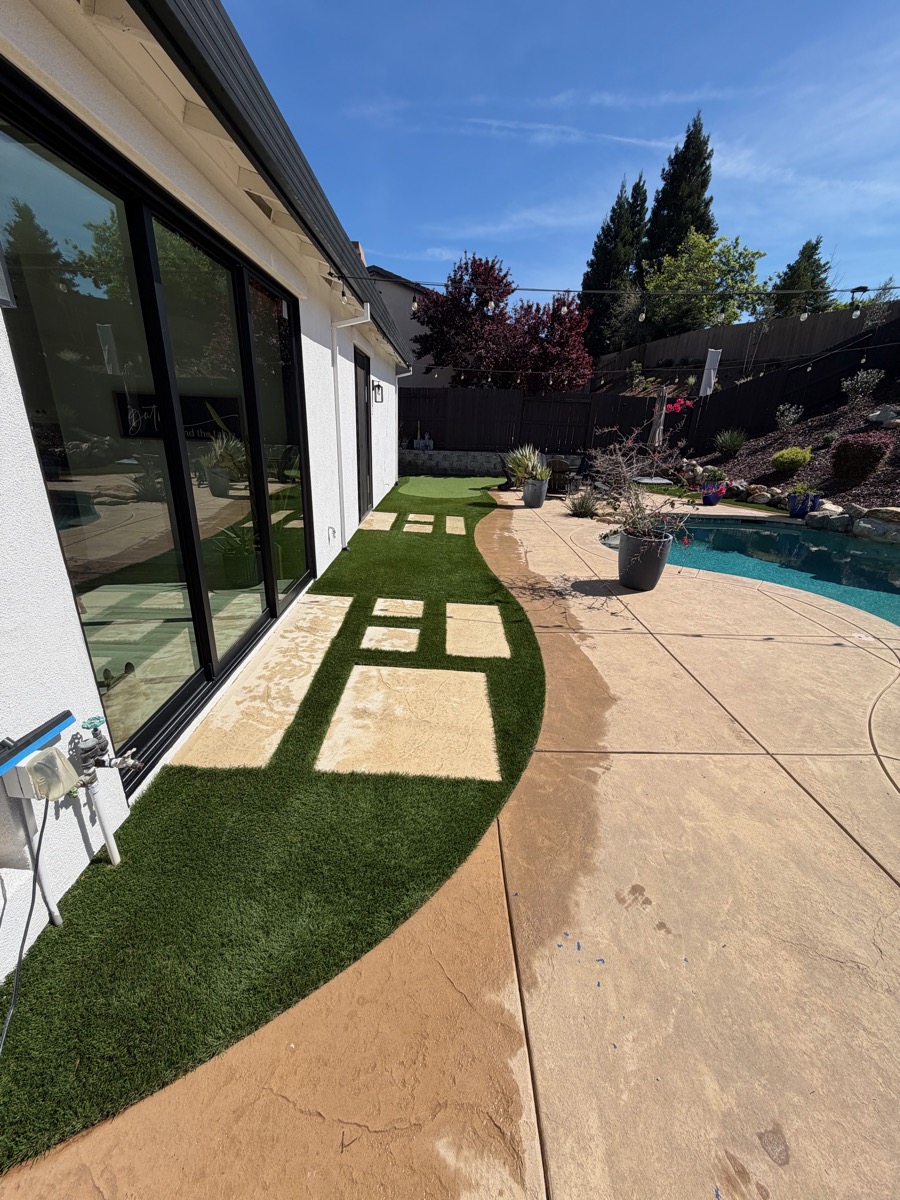
If your yard has artificial turf and you want to keep it looking and smelling great long-term, one of the smartest moves you can make is training your dog to use a designated bathroom zone. This simple habit change makes maintenance dramatically more effective, reduces odor problems, and protects the rest of your turf investment.
Why Designated Pet Zones Matter for Turf Longevity
Concentrating pet use in a specific area transforms your maintenance approach from "treat the entire yard" to "focus on one manageable zone." Daily rinsing is faster and more effective on a defined area. Enzyme treatments go further. And when you schedule professional disinfect and deodorize service, the treatment can be more concentrated and thorough on a smaller target area.
For homeowners across the Denver metro, this approach also means the majority of your turf stays in excellent condition with minimal effort — only the designated zone needs intensive attention.
Choosing the Best Location for a Pet Zone
Not every spot in your yard works equally well. When selecting a pet zone, prioritize these factors:
- Drainage: Choose the area with the best drainage — often a slight slope or the section farthest from the house foundation
- Hose access: Make sure you can easily reach the zone with a garden hose for daily rinsing
- Airflow: Avoid corners against fences or walls where air circulation is restricted — open areas dissipate odor better
- Shade consideration: In Colorado's intense summer heat, a partially shaded zone stays cooler and reduces heat-amplified odor
- Convenience: Pick a spot that is easy for your dog to reach from the back door — if it is inconvenient, the training will not stick
The Training Process: What to Expect
Most dogs can be reliably trained to use a designated area within one to three weeks. Here is the approach that works:
- Week one: Take your dog to the chosen area on a leash for every single bathroom trip. Stand in the zone and wait patiently. Reward immediately when they go in the correct spot
- Week two: Continue leash guidance but begin allowing a longer leash or light supervision. Keep rewarding correct behavior
- Week three: Most dogs are using the zone reliably. Gradually reduce active supervision while maintaining rewards for correct use
Consistency is the key. Every trip, every time, for the first two weeks. Skipping sessions or allowing exceptions confuses the training.
Transitioning Dogs from Indoor Pads to Outdoor Turf
If you are moving a dog from indoor pee pads to outdoor artificial turf, place a used pad on the designated turf area initially. The familiar scent signals to your dog that this is an acceptable bathroom spot. Remove the pad after two to three days of consistent outdoor use.
This transition is common for puppies and newly adopted dogs in Castle Rock, Parker, and other Denver-area communities where many homes have both indoor and outdoor turf areas.
Multiple Dog Households
With two or more dogs, train each one individually during the first week. Dogs are social learners — once one dog reliably uses the designated zone, others typically follow the leader within a few days. The pack instinct works in your favor here.
Maintaining the Designated Zone
A concentrated pet zone needs more frequent care than the rest of your turf:
- Daily: Pick up waste and rinse the zone with a hose
- Weekly: Apply enzyme-based cleaner to the entire zone
- Seasonally: Schedule professional pet hair and debris removal focused on this area
- Annually: Have the zone assessed for infill levels and compaction — heavy use areas lose infill faster
When the Zone Needs Professional Refreshing
Even with diligent daily care, heavy-use pet zones eventually need professional attention. Signs it is time include persistent odor despite regular rinsing, visible infill loss, or matted fibers that do not bounce back after brushing. Our blooming and de-compacting service restores the zone's condition without replacing the entire area.
The Long-Term Payoff
Dogs that reliably use a designated zone are the single biggest factor in long-term satisfaction with artificial turf in pet households. The small investment in training pays off in easier daily maintenance, better odor control, and significantly longer turf life for the rest of your yard.
Ready to get your pet zone professionally maintained?
Elite Turf Refresh serves 40+ communities across the Denver metro area. Get your free quote or call (720) 450-1653 today.