How Often Should You Clean Artificial Turf?
By Elite Turf Refresh Team
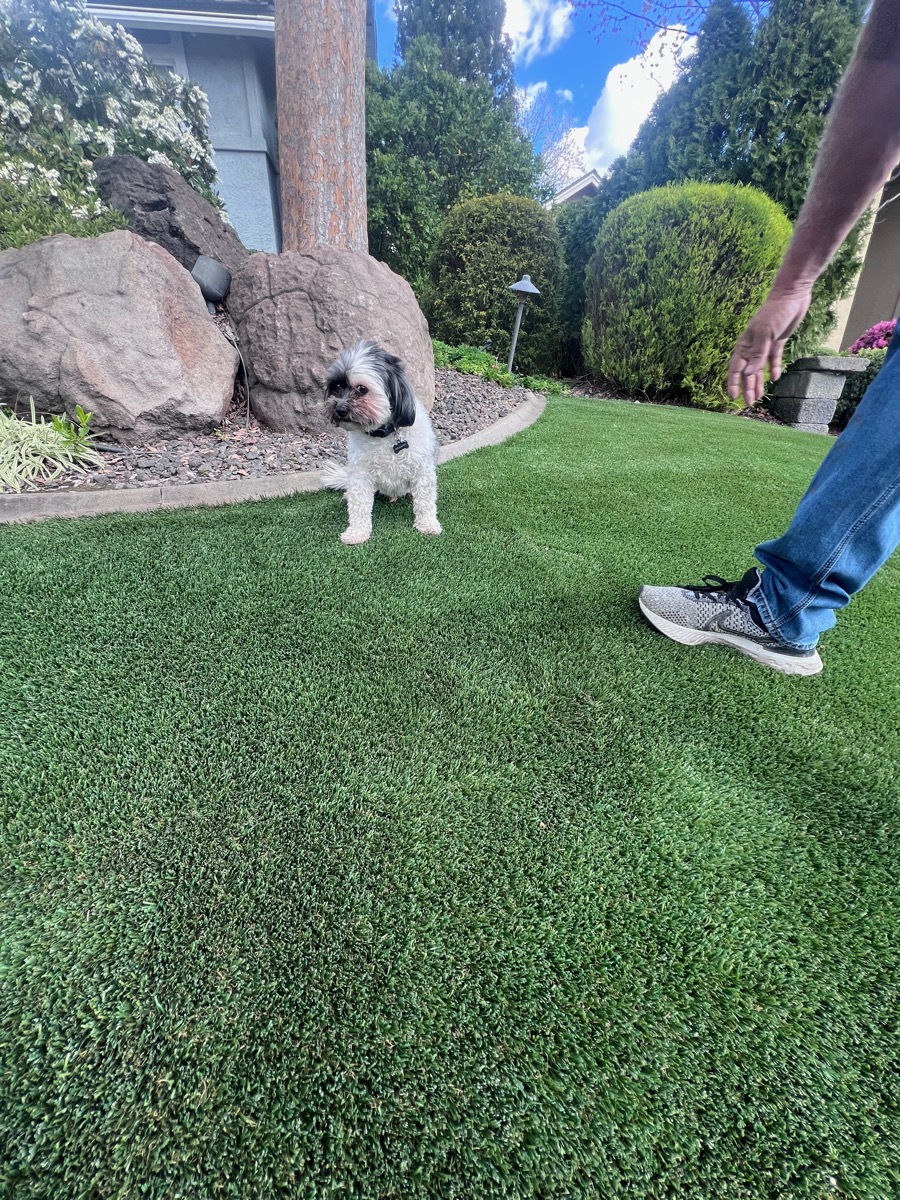
How often should you clean your artificial turf? It is the most common question we hear from homeowners across the Denver metro communities we serve. The honest answer: it depends. Your cleaning frequency should match your specific conditions — not a generic recommendation from a turf manufacturer in a different climate. Here is a practical framework.
The Baseline: Every Artificial Turf Surface Needs Annual Service
Even if you have no pets, minimal foot traffic, and no overhanging trees, your turf still needs professional cleaning at least once a year. Colorado's dry, dusty air deposits fine particulates into infill constantly. Pollen from cottonwoods and other Front Range trees embeds in fibers each spring. Airborne grit from construction and road dust settles into every outdoor surface. Over 12 months, this invisible buildup compacts the infill, reduces drainage, and dulls the appearance — even on turf that looks clean from a distance.
Pet Households: Every 3 to 6 Months
If dogs use your turf regularly, step up to quarterly or semi-annual professional service. Even diligent pet owners who pick up waste immediately cannot remove the liquid residue that soaks into infill with every use. Over weeks and months, bacteria multiply in that infill layer, producing odors that intensify in Colorado's summer heat. Professional disinfect and deodorize service reaches what daily hose-downs cannot: the bacterial colonies living deep in the infill. For multi-dog households, quarterly service is strongly recommended.
High-Traffic Areas: Twice a Year
Turf that sees daily foot traffic — kids playing, regular entertaining, a main walkway between house and garage — compresses fibers faster and drives debris deeper into infill. Semi-annual professional pet hair and debris removal extracts embedded material and lifts compressed fibers before permanent matting sets in. High-traffic turf that skips regular service ages visibly faster than maintained turf of the same age.
Heavy Tree Cover: Every 3 to 4 Months
Properties with large cottonwoods, pines, or aspens overhead need more frequent attention. Leaf litter, sap, pollen, pine needles, and seeds all affect turf differently — but they all decompose, stain, and compact infill when left in place. Colorado's dry climate slows decomposition compared to humid regions, but our intense UV accelerates staining. Quarterly service prevents organic buildup from becoming a restoration-level problem.
Putting Greens: Twice a Year Minimum
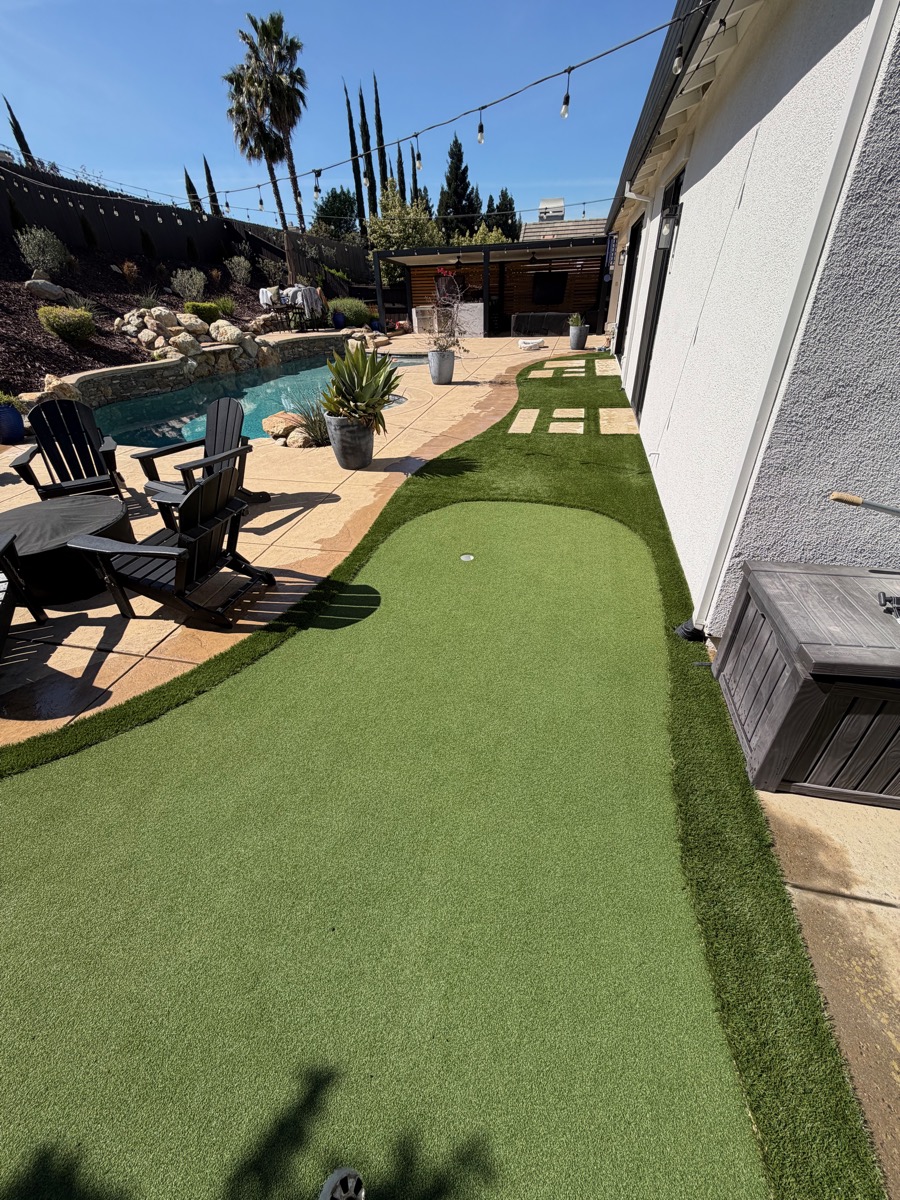
Backyard putting greens demand tighter maintenance than landscape turf because performance matters. Even slight infill compaction or fiber lean changes ball roll and speed. If you practice regularly, semi-annual putting green refresh service keeps the surface playing true. Serious golfers in communities like Castle Pines and Highlands Ranch often opt for quarterly service to maintain tournament-quality conditions.
DIY Maintenance Between Professional Visits
Professional cleaning is not a substitute for regular DIY care — and DIY care is not a substitute for professional cleaning. Between professional visits, keep up with these basics:
- Weekly: Blow off surface debris with a leaf blower
- Monthly: Brush high-traffic areas with a stiff push broom
- As needed: Pick up pet waste immediately and rinse the area
- Seasonally: Check edges and seams for lifting or separation
Think of it like vacuuming between professional carpet cleanings — you handle the surface, we handle the deep layers.
What Happens When You Wait Too Long
Deferred maintenance always costs more. Turf that goes 3 or more years without professional service typically needs intensive blooming and de-compacting rather than a standard cleaning. Compacted infill, embedded debris, bacterial buildup, and permanently matted fibers all require more time, more equipment passes, and more cost to address. The homeowners who spend the least on turf maintenance over the life of their installation are the ones who keep a regular schedule.
Ready to set up a maintenance schedule for your artificial turf?
Elite Turf Refresh serves 40+ communities across the Denver metro area. Get your free quote or call (720) 450-1653 today.