Fall Turf Prep: Get Your Turf Ready for Colorado Winter
By Elite Turf Refresh Team
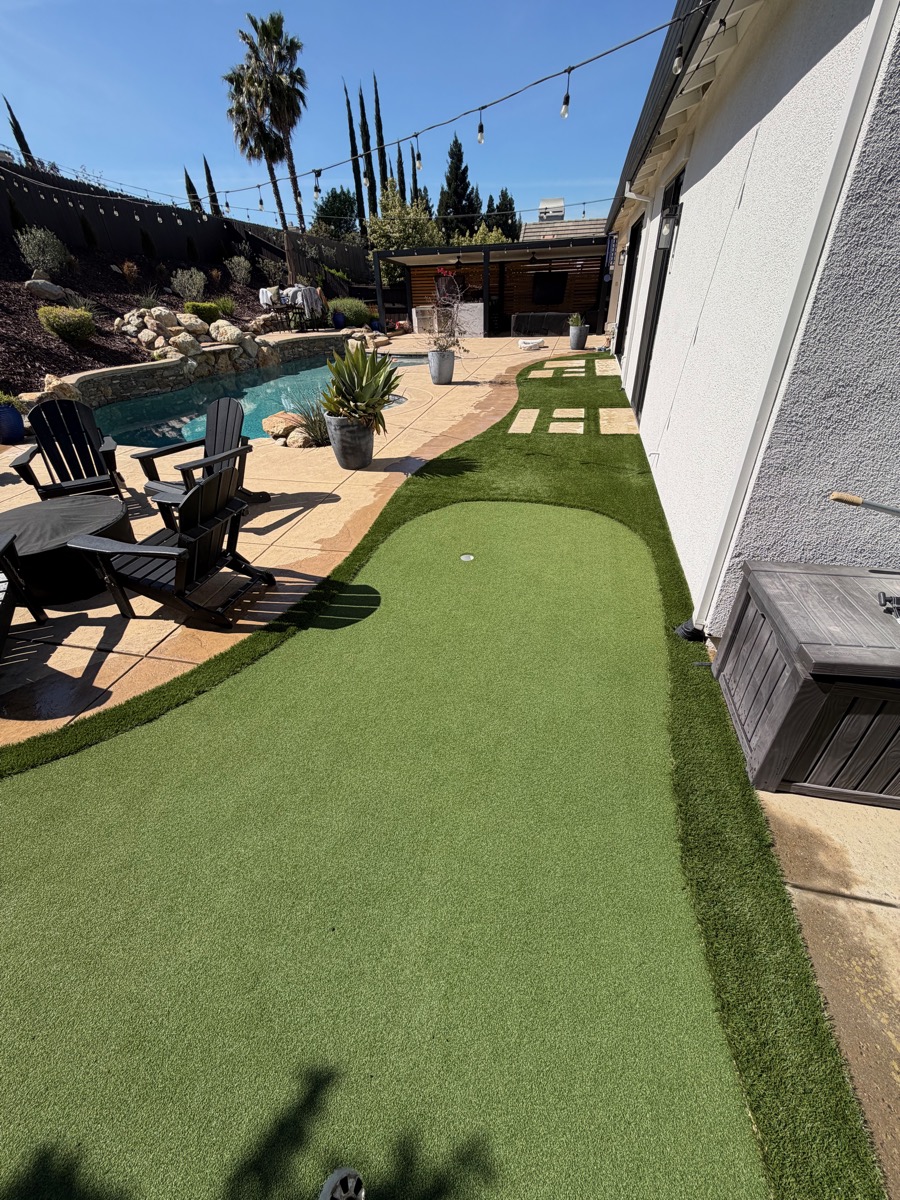
Colorado winters are unpredictable — 60 degrees on Tuesday, a foot of snow by Thursday. That volatility is tough on artificial turf. The good news: a few hours of fall preparation can prevent hundreds of dollars in spring repairs. Here is a step-by-step checklist for getting your turf through winter in top shape.
Why Fall Prep Matters for Colorado Artificial Turf
Unlike milder climates, Colorado's Front Range sees dozens of freeze-thaw cycles each winter. Water trapped in compacted infill freezes, expands, and shifts the surface. Organic debris trapped under snow creates mold-friendly conditions. And seams that are slightly loose in October can separate entirely by March. Fall prep addresses all of this before the first freeze.
Step 1: Deep-Clean Before the First Snow
Remove every leaf, pine needle, and grass clipping from the surface and infill. Organic debris trapped under snow decomposes slowly, staining fibers and breeding mold. A leaf blower handles surface debris, but embedded material in the infill requires professional pet hair and debris removal equipment to extract properly. Schedule this service in September or early October before the first measurable snowfall.
Step 2: Check and Restore Drainage
Pour a bucket of water on your turf and watch. It should drain through within seconds. If water pools or sits on the surface, your infill is likely compacted — a common issue on the Front Range where our dry climate causes infill to settle and harden. Professional blooming and de-compacting restores drainage pathways so water moves through the turf instead of freezing on top of it.
Step 3: Inspect Every Seam and Edge
Cold temperatures cause artificial turf to contract, and even a small gap in a seam will widen through the winter. Walk the entire surface and check where turf panels meet, where turf meets hardscape, and along every perimeter edge. If you find any lifting, curling, or separation, get it repaired before temperatures drop. Winter contraction will make a small problem much worse.
Step 4: Brush Fibers Upright
Snow weight compresses turf fibers for weeks or months at a time. Fibers that go into winter already leaning are far more likely to develop permanent matting. A thorough brushing with a stiff push broom — working against the grain — sets fibers upright so they have the best chance of bouncing back after snow load. For large areas, professional power brushing is more effective.
Step 5: Clear Everything Off the Surface
Patio furniture, planters, grills, toys, dog beds — anything sitting on the turf needs to come off before winter. Objects left on turf during freeze-thaw cycles create permanent compression marks and trap moisture underneath, which can damage both the fibers and the backing material.
Step 6: Plan Your Snow Removal Strategy
When snow needs clearing, use a plastic shovel only. Metal shovels and snow blower augers can tear fibers and damage seams. Better yet, let snow melt naturally whenever Colorado's sun cooperates — and it usually does within a few days. One absolute rule: never use salt or chemical de-icers on artificial turf. They damage fibers and contaminate infill.
Step 7: Schedule a Professional Fall Service
A professional fall maintenance visit covers everything on this list plus things that are difficult to DIY: deep infill extraction, fiber-level debris removal, drainage testing, and seam inspection with proper lighting. Think of it as winterizing your turf the way you would winterize your sprinkler system — it takes a couple hours and prevents expensive spring surprises.
The Spring Payoff
Homeowners who prep their turf in fall consistently report an easier, cheaper spring. Instead of dealing with mold stains, matted fibers, and drainage problems, their turf comes out of winter looking close to how it went in. That is the goal: minimize winter damage so spring requires a light refresh rather than a major restoration.
Ready to winterize your artificial turf before the first freeze?
Elite Turf Refresh serves 40+ communities across the Denver metro area. Get your free quote or call (720) 450-1653 today.