5 Common Putting Green Problems and How to Fix Them
By Elite Turf Refresh Team
Backyard putting greens are built to last, but they are not maintenance-free. Over time, environmental conditions, foot traffic, and normal wear create issues that affect both appearance and playability. The good news is that every common problem has a proven fix. Here are the five issues we encounter most often working with homeowners across the Denver metro area, along with what causes them and how to solve them.
1. Inconsistent Ball Speed Across the Green
What you notice: The ball rolls fast in some zones and slow in others. Putts that should be consistent feel unpredictable. Your practice quality suffers because you cannot trust the surface.
What causes it: Uneven infill distribution. Foot traffic gradually pushes infill from high-use zones (where you stand to putt) into low-use areas. This creates speed variations that worsen over time. Colorado's freeze-thaw cycles and wind can accelerate infill migration.
How to fix it: Professional infill redistribution and leveling restores uniform depth across the entire surface. Our Putting Green Refresh & Tuning service measures and corrects infill depth zone by zone, bringing consistent speed back to the entire green. DIY brushing cannot accomplish this because it lacks the force to move infill effectively.
2. Visible Seam Lines or Separation
What you notice: Lines where turf panels meet become visible, sometimes with small gaps or raised edges. The ball deflects or bounces when it crosses a seam.
What causes it: Temperature-driven expansion and contraction stress seam joints over time. Colorado's wide daily temperature swings, sometimes 30-40 degrees in a single day, accelerate this process. Base settling and original installation quality also play a role.
How to fix it: Minor seam separations can be addressed during a professional maintenance visit. Significant separation requires specialized seam repair. The key is catching it early: a minor seam issue addressed promptly is a quick fix, while a neglected seam can widen to the point of requiring panel replacement.
3. Matted or Flat Fibers That Will Not Stand Up
What you notice: Fibers lie flat instead of standing upright, giving the green a worn, patchy look. Ball contact becomes inconsistent as the ball rides on flat fibers rather than being supported by upright ones.
What causes it: Heavy foot traffic, UV degradation from Colorado's intense altitude sun, and lack of regular brushing. Fibers that stay compressed for extended periods develop a permanent lean that surface brushing alone cannot correct.
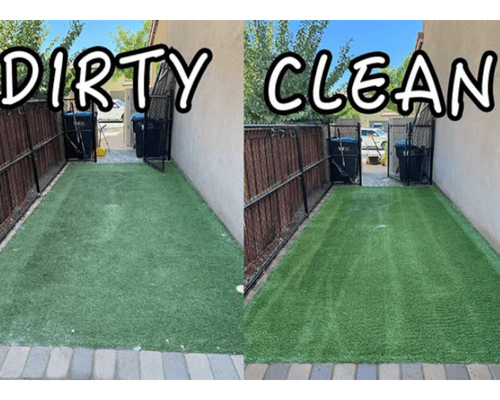
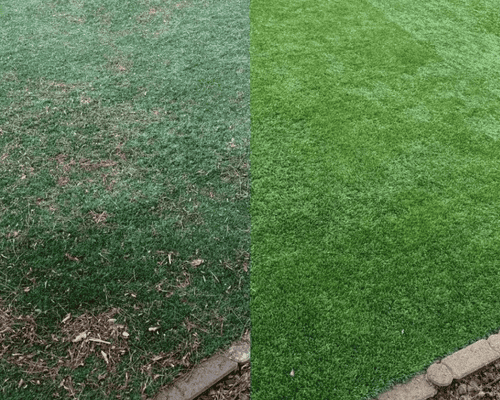
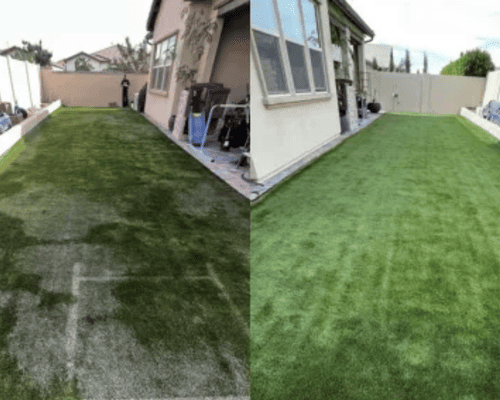
How to fix it: Professional power brushing with commercial equipment lifts fibers from deep within the infill layer. This is the single most dramatic improvement most homeowners see from professional service. Between visits, regular DIY brushing in alternating directions slows the recurrence. For severely matted turf, blooming and de-compacting service penetrates deeper to restore fiber position.
4. Poor Drainage or Standing Water
What you notice: Water pools on the surface after rain or snowmelt instead of draining through. Certain areas stay damp long after the rest of the green has dried.
What causes it: Compacted infill blocks the drainage paths between turf fibers. Over time, fine debris, organic particles, and compressed infill create a barrier that water cannot penetrate. Base settling can also create low spots where water collects.
How to fix it: Infill decompaction and surface leveling restore proper drainage flow. Professional blooming and de-compacting opens up the infill layer so water moves through freely. Severe cases with base-level issues may need more extensive repair, but most drainage problems are infill-related and very fixable.
5. Organic Growth or Discoloration
What you notice: Green or dark patches, sometimes slimy, appearing on the surface. Discoloration that does not correspond to normal wear patterns.
What causes it: Moisture trapped in compacted infill, particularly in shaded areas, creates ideal conditions for algae or mold growth. This is more common on north-facing surfaces or areas shaded by fences, trees, or structures.
How to fix it: Thorough pet hair and debris removal, infill decompaction to improve drainage, and disinfecting and deodorizing the affected areas. Addressing the underlying moisture issue, whether through improved drainage or trimming shade sources, helps prevent recurrence.
Ready to fix your putting green problems?
Elite Turf Refresh serves 40+ communities across the Denver metro area. Get your free quote or call (720) 450-1653 today.